-
Network & Hardware:
Design and Architecture: Planning network topologies (e.g., LAN, WAN, MAN) and selecting communication protocols like TCP/IP.
Infrastructure Implementation: Setting up physical components like routers, switches, firewalls, and gateways, as well as cabling (copper or fiber optic).
Connectivity Management: Configuring internet access, VPNs for secure remote work, and wireless access points (Wi-Fi).
Virtualization and Cloud: Deploying Software-Defined Networking (SDN) and Network-as-a-Service (NaaS) to allow multiple logical networks to run on one physical infrastructure.
Security and Monitoring: Protecting against unauthorized access through firewalls and IDS/IPS, and using tools like Nagios or Snort to monitor traffic and health.
Network Protocols & Services: Managing essential automated services like DHCP for IP assignment, DNS for domain translation, and NTP for time synchronization across devices.
Installation and Deployment: Setting up end-user devices (laptops, desktops, smartphones) and backend equipment (servers, printers, storage arrays).
Maintenance and Repair: Performing routine hardware checkups, replacing failing parts, and managing firmware updates.
Data Center Operations: Managing essential automated services like DHCP for IP assignment, DNS for domain translation, and NTP for time synchronization across devices.
Hardware Lifecycle Management: Evaluating business needs to recommend hardware upgrades and managing the decommissioning of obsolete equipment.
Peripherals Support: Installing and troubleshooting connected devices such as modems, scanners, webcams, and specialized IoT devices like smart thermostats or cameras.
-
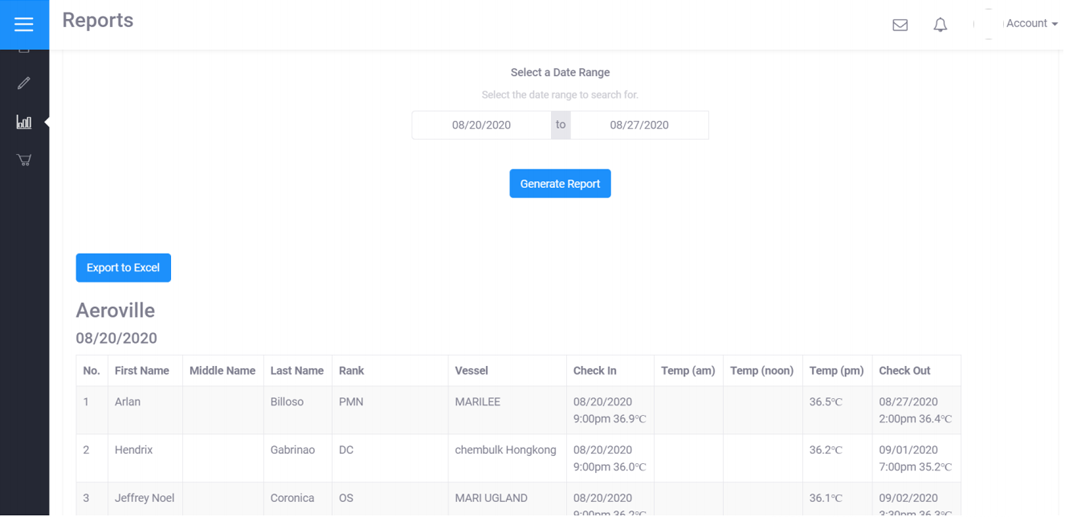
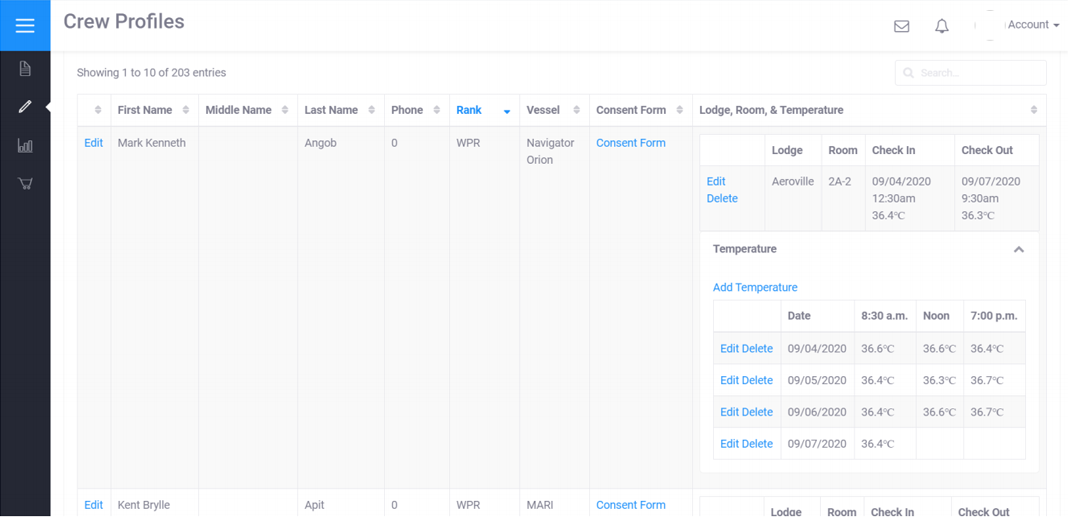
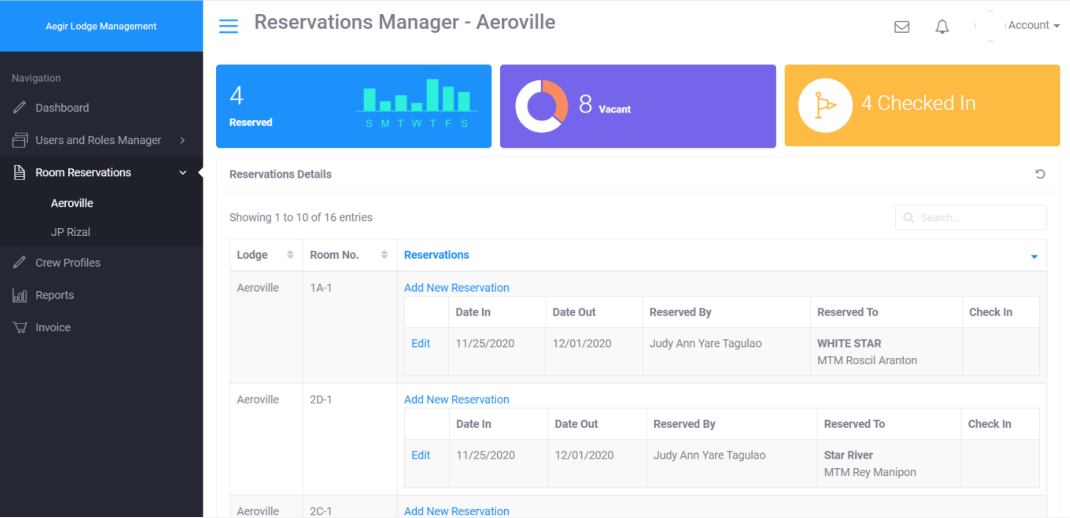
Systems Development, Integration, & Configuration:
Custom System Development: Designing and coding unique solutions like mobile apps, web platforms, and desktop software.
Systems Architecture Defining technical standards, structural composition, and how various modules interact within the software.
Lifecycle Management: Overseeing the stages of planning, requirement gathering, design, coding, deployment, and ongoing maintenance.
Enterprise Application Integration (EAI): Unifying internal business applications—such as ERP, CRM, and accounting software—to automate real-time data exchange.
API & Middleware Development: Creating the “glue” that allows different systems to communicate, using Application Programming Interfaces (APIs) or middleware layers.
-
Outsourcing:
Managed IT Services & Technical / Unified Support: 24/7 technical assistance for employees or customers, handling troubleshooting and service desk tasks. Remote monitoring, managing network performance, server maintenance, and data center management.
Cloud & Data Services, Cybersecurity & IT Security: Cloud computing management (IaaS, PaaS, SaaS), data center operations, and database administration. Managing firewalls, security monitoring, threat detection, and data security, especially for regulatory compliance.
Web Operations: Web development, maintenance, and hosting services.
Customized Business Process: Back-office technical services (Accounting, HR, Hotel Booking, Manpower Leasing).